

-
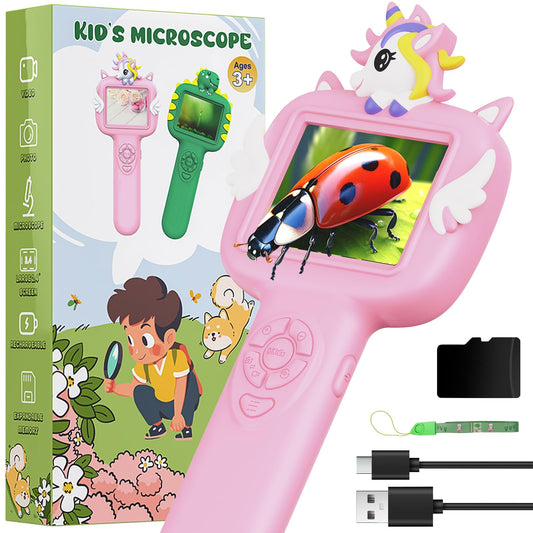
Ignite curiosity with a compact, hands-on science tool The Wonovate Microscope for Kids is a lightweight, direct-contact handheld device designed for curious minds. By pressing the lens directly against an object's surface, children can enjoy sharp magnification and clear details. This tactile approach helps...
- £42.49
- £42.49
- Unit price
- per
-
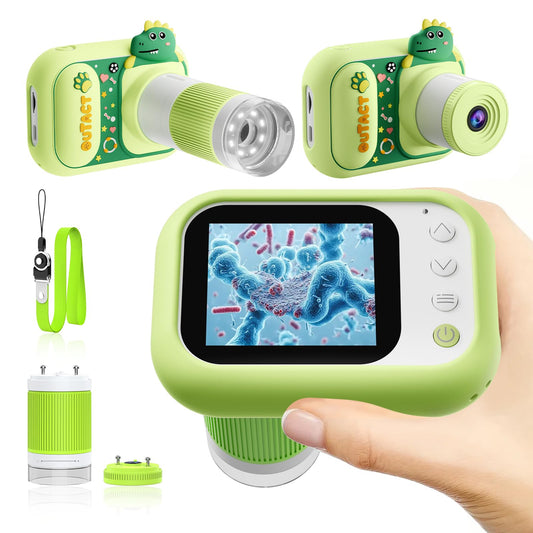
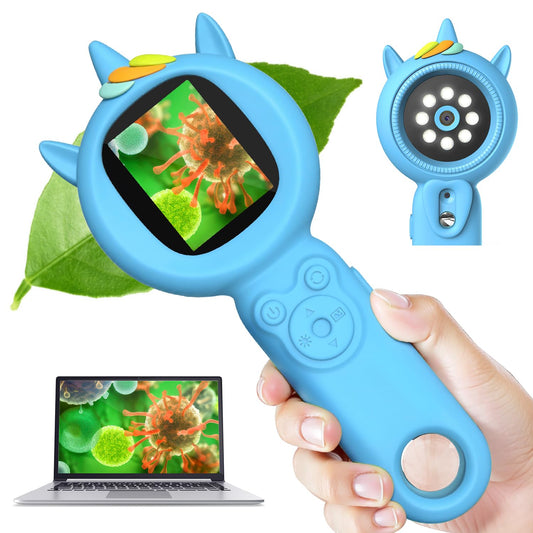
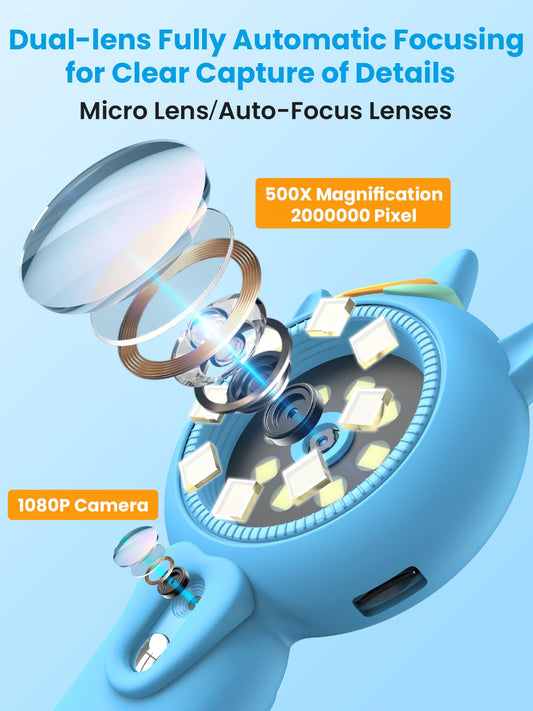
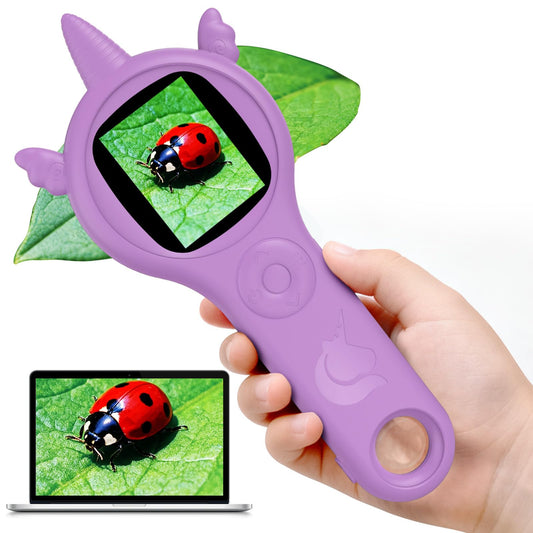
Unlock hands-on science with OUTACT Meet the OUTACT Microscope for Kids, a handheld, rechargeable 3-in-1 device that blends exploration and capture. With a bright 2.4-inch screen and a two-in-one design, curious young minds can switch between magnifying microtextures and snapping photos or recording videos,...
- £40.73
- £40.73
- Unit price
- per
-
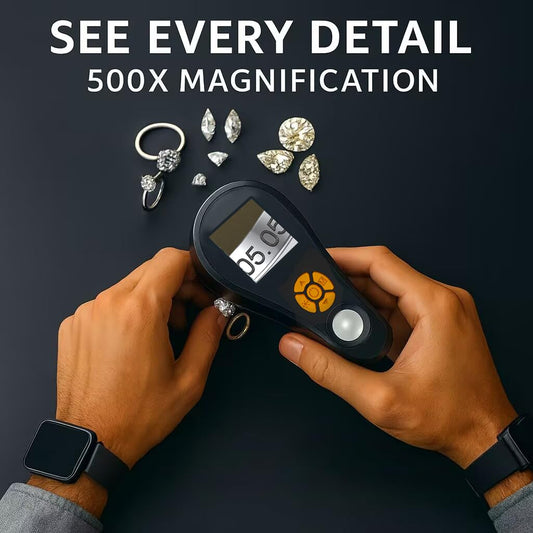
Vendor:COOVIECOOVIE Magnifying Glass with Light Digital Microscope — 500x, 2-Inch IPS Screen, USB-CCompact digital microscope you can carry anywhere The COOVIE Magnifying Glass with Light Digital Microscope blends a bright 2-inch IPS color screen with true optical clarity, giving you a portable way to examine textures, fibers, coins, fabrics, and more at up to 500x magnification....
- £28.37
- £28.37
- Unit price
- per
-
Explore a micro world with a portable companion The LENGTOUQ 1600X Kids Microscope is a compact handheld learning tool designed for curious minds. It features a 2-inch IPS display and a 2-megapixel camera, delivering crisp visuals while the 1600X digital zoom reveals tiny details...
- £30.07
- £30.07
- Unit price
- per
-
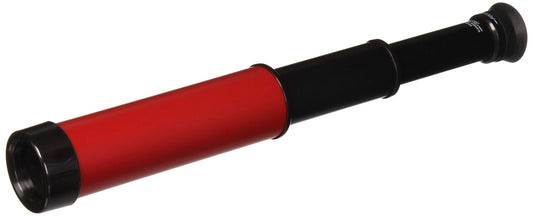
Schylling Spy Glass Telescope: A Durable Companion for Young Explorers Meet a bright, sturdy observer built for curious minds. The Schylling Spy Glass Telescope invites kids to notice small details in the world around them, from backyard birds to distant park silhouettes. Its soft...
- £29.04
- £29.04
- Unit price
- per
-
Vendor:NauticalMartSolid Brass Handheld Telescope 6-inch - NauticalMart Pirate Spy Glass with Free CaseOverview\nThe NauticalMart Solid Brass Handheld Telescope 6-inch is a compact, fully functional spy glass designed for fans of seafaring lore and everyday curiosity. Crafted from solid brass with genuine glass optics, it feels substantial in the hand, while the included leather case protects it...
- £28.36
- £28.36
- Unit price
- per
-
Discover Big Details in a Tiny WorldMeet the UPSPORT 2-in-1 microscope for kids, a compact handheld device that brings the microscopic world into clear view. With a built-in 2-inch HD IPS screen, this pocket-friendly tool lets young explorers observe textures, patterns, and tiny features...
- £27.88
- £27.88
- Unit price
- per
-
Vendor:AcoathAcoath Auto-Focus Kids Microscope with 2-Inch Screen – 2MP Camera, 8 LEDs, RechargeableIgnite curiosity with a pocket-sized science companion The Acoath Microscope for Kids blends hands-on exploration with a comfortable, intuitive design. A bright 2-inch color screen keeps everything in view, while the compact profile slips into a backpack for science at home, in the classroom,...
- £30.58
- £30.58
- Unit price
- per
-
Discover a kid-friendly microscope that blends sturdy design with crisp magnification. Built with durable ABS housing and a soft, food-grade silicone bumper, this Vorth device is designed for curious hands and mess-friendly play. The result is a safe, robust tool that invites exploration from...
- £26.78
- £26.78
- Unit price
- per
-
Compact brass spyglass for travel and decor The Prime NAUTICAL 6-Inch Brass Spyglass is a handheld monocular that collapses for easy packing. The warm brass finish, balanced weight, and tactile knurling convey a timeless maritime vibe, making it as pleasing to handle as it...
- £26.12
- £26.12
- Unit price
- per
-
Overview Wryxia Microscope Immersion Oil Type A is a premium, lens-friendly fluid designed for use with a wide range of microscopes. Supplied in a convenient 25ml bottle, it aims to support smooth imaging through careful matching of refractive properties and a clean, easy workflow...
- £29.46
- £29.46
- Unit price
- per
-
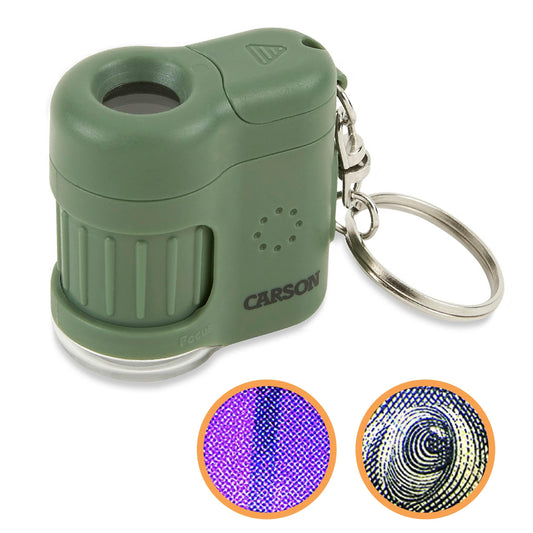
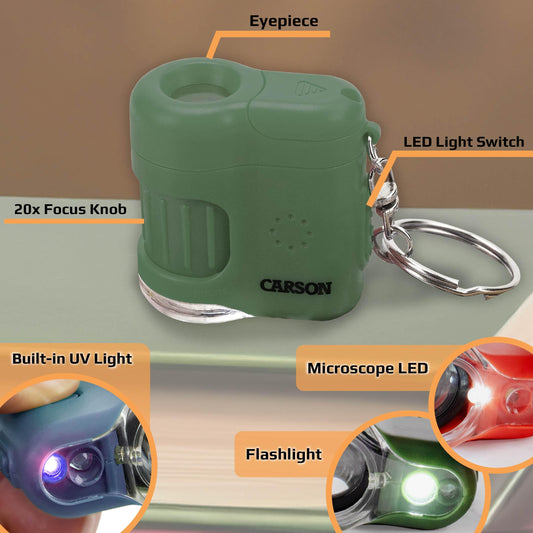
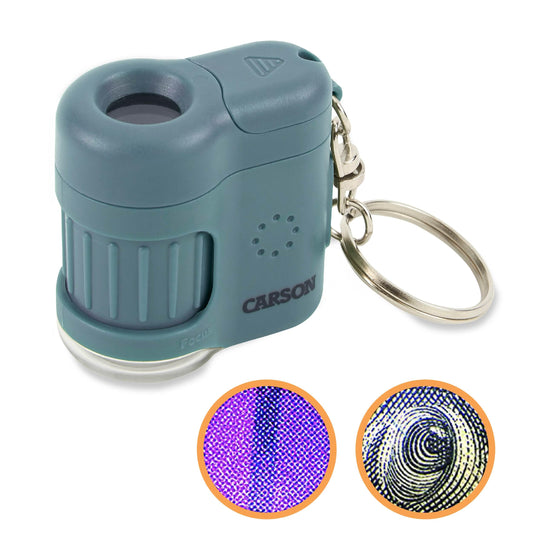
Meet the Carson MicroMini 20x LED Pocket Microscope Small in size but big on curiosity, the MicroMini blends portability with bright, adaptable illumination. Built to reveal tiny details on the go, this green MM-280G model feels sturdy in the hand and easy to bring...
- £25.56
- £25.56
- Unit price
- per
-
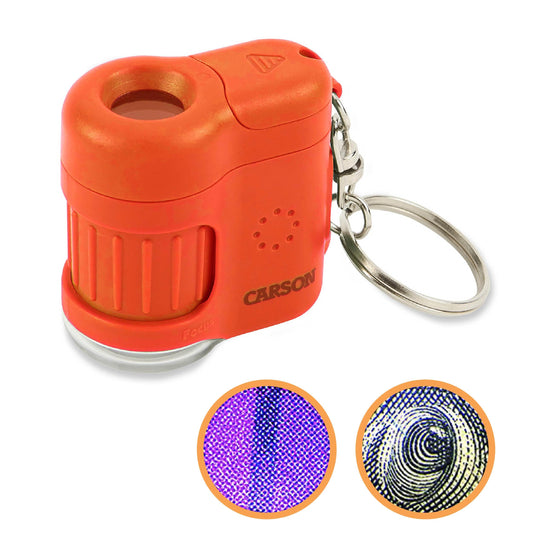
Overview: A portable microscope with real viewing power The Carson MicroMini 20x Lighted Pocket Microscope brings detailed observation into everyday life. Its bright orange finish helps it stand out in a kit or bag, while its ultra-compact design hides true magnification capability: 20x magnification...
- £25.56
- £25.56
- Unit price
- per
-
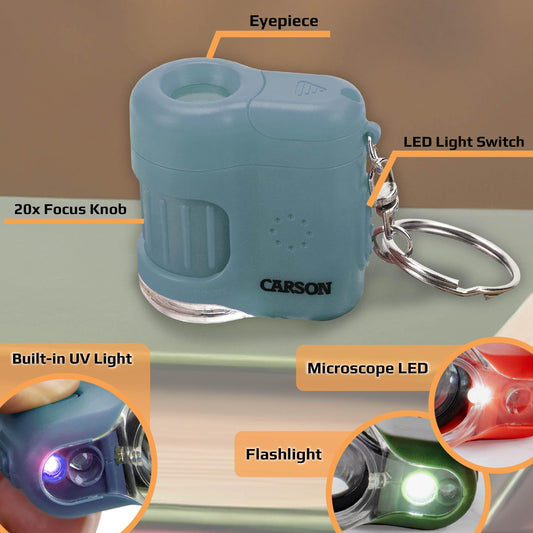
Compact curiosity, powerful detail The Carson MicroMini 20x Pocket Microscope pairs a pocket-friendly design with surprisingly sharp magnification. Weighing almost nothing and shaped for everyday carry, it includes both UV and LED lighting and an easily adjustable focus wheel. This isn’t about size alone—it’s...
- £25.56
- £25.56
- Unit price
- per
-
Vendor:PozifuPozifu Kids Microscope – Handheld Pocket Digiscope with 2-Inch Screen, 50x-500x Magnification, USB DisplayExplore the world up close with Pozifu The Pozifu Kids Microscope invites young scientists to discover textures and patterns in the world around them. This handheld digiscope is built to fit small hands and curious minds, slipping easily into a backpack for park sessions,...
- £26.78
- £26.78
- Unit price
- per
-
Vendor:JIMZOOJimzoo Kids Microscope with Bug Catcher Kit – 1080P HD Mini Handheld Scope, 200x–500x, RechargeableInspire Curious Minds with the Jimzoo Kids Microscope Kit Turn everyday moments into small-scale science adventures. This 2-in-1 kit blends a pocket microscope with a bug catcher, enabling young explorers to observe tiny details while enjoying hands-on outdoor fun. It’s designed to feel approachable...
- £23.49
- £23.49
- Unit price
- per
-
Vendor:JIMZOOJIMZOO Kids Microscope with Bug Catcher Kit — 1080P Digital Handheld STEM Toy (Ages 3–12)Ignite curiosity with a compact science kit The JIMZOO Kids Microscope with Bug Catcher Kit blends hands-on exploration with clear, kid-friendly technology. With 200X–500X magnification and 1080P HD clarity, tiny subjects come into focus—whether it's a leaf's vein pattern, a winged insect, or everyday...
- £23.49
- £23.49
- Unit price
- per
-
Vendor:JIMZOOJIMZOO Kids Microscope with Bug Catcher Kit – 1080P HD, 200–500X, LED Light, Rechargeable, PortableIgnite curiosity with a kid-friendly science starter Meet the JIMZOO Kids Microscope with Bug Catcher Kit, a compact, beginner-friendly tool designed to bring the micro world to life for young explorers. Its pocket-friendly size fits into small hands, while a crisp 1080P view helps...
- £23.49
- £23.49
- Unit price
- per
-
Explore the World with the Luwint Pocket Telescope Meet the Luwint Pocket Telescope Toy for Kids, a compact set designed to spark curiosity during outdoor adventures. This 4-pack of colorful monoculars fits neatly in a backpack or pocket, making it easy for children to...
- £23.49
- £23.49
- Unit price
- per
-
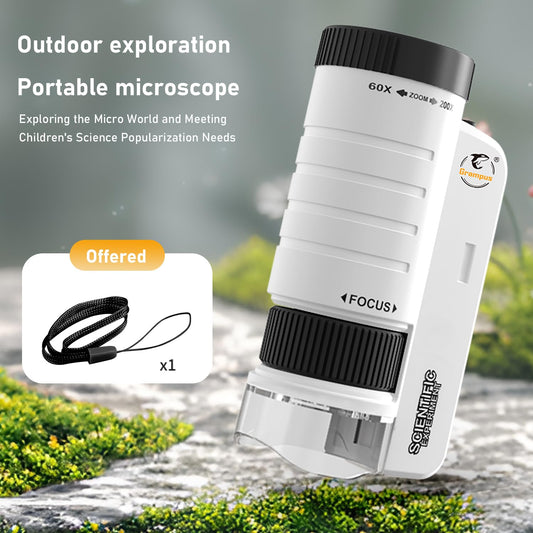
Discover the micro world with Grampus Grampus 60x-200x LED Pocket Microscope is a portable, pocket sized science companion designed for curious minds of all ages. Its compact form slips into a pocket or bag, ready for classroom demonstrations, field trips, or at home discoveries....
- £23.89
- £23.89
- Unit price
- per
















Subscribe To Our Newsletter
Get the latest updates on new products and upcoming sales


